There’s no denying that when it comes to gardens, most people tend to stick with what they know. Standard horticultural plants are often the go-to, while native or locally native plants are overlooked. A common misconception is that native plants don’t flower or simply aren’t as attractive.
The truth is, native plants do flower and they can be exceptionally beautiful when planted in the right location, in suitable soil, and pruned at the correct time to encourage fresh, lush growth. Some of the most visually striking families of native plants to include in your garden are Fabaceae (pea family), Proteaceae (such as banksias and bottlebrush), Myrtaceae (eucalypts and tea trees), Poaceae (native grasses like Austrostipa, kangaroo grass and Rytidosperma), and native lilies, to name just a few.
Many of these plant families can be found growing naturally in local bushland reserves, parks and foreshore areas near you. With a keen eye, you’ll begin to recognise different species and even spot them for sale at your local native plant nursery. One of the true beauties of native plants is that every species plays an important role in the natural world, whether it’s a flowering tree providing nectar for birds, producing seeds for cockatoos, grasses offering shelter for butterflies, or eucalypts supporting bees, insects and animals such as koalas.
Native plants don’t have to be exclusive to bushland. By planting natives in our own gardens, we can help connect natural areas and create beautiful, functional biolinks for wildlife - right in our own backyards.
Planting native or locally native species offers a wide range of benefits. These include improved mental health and reduced stress, a low-maintenance and cost-effective garden, and the enjoyment of having your own slice of nature at home. Spending time in green spaces has been shown to lower cortisol levels, boost mood, improve focus and clarity, and encourage mindfulness by naturally slowing the mind.
Locally native gardens are also low maintenance by design. These plants are perfectly adapted to our local climate, meaning once established they require far less watering, no fertilisers or pesticides, and minimal upkeep compared to exotic plants. This results in lower maintenance costs and more time for you and your family.
Native gardens also provide essential habitat, food and shelter for local wildlife such as birds, bees, butterflies, insects and small animals that have evolved alongside these plants. In urban areas, these gardens become vital stepping stones that help support biodiversity and connect wildlife between fragmented natural spaces.
If you’re interested in learning more about native and indigenous plants, there are plenty of great places to start. Your local council is a valuable resource, with many offering “Gardens for Wildlife” programs that assess your property and provide guidance on habitat gardening. Local native or indigenous plant nurseries are another excellent source of knowledge and can help you choose the right plants for your space. Social media and gardening communities are also fantastic for learning and sharing ideas, as are well-researched books. For those in the Melbourne area, Flora of Melbourne by Marilyn Bull is an outstanding reference for keen gardeners and ecological restorers alike.
Here at Hartley’s Garden and Maintenance, we specialise in locally native plants from across the greater Melbourne area. With our insight into plant species, growth habits, soil types and preferred planting locations, we can help you design and create the perfect natural space for your garden. We also prioritise sourcing plants from local growers, supporting both the environment and the local economy.
If you’re ready to take the first step into the wonderful world of indigenous plants, get in touch with us today by phone, email, or by filling out our contact form and uploading a photo of your garden to get the ball rolling.
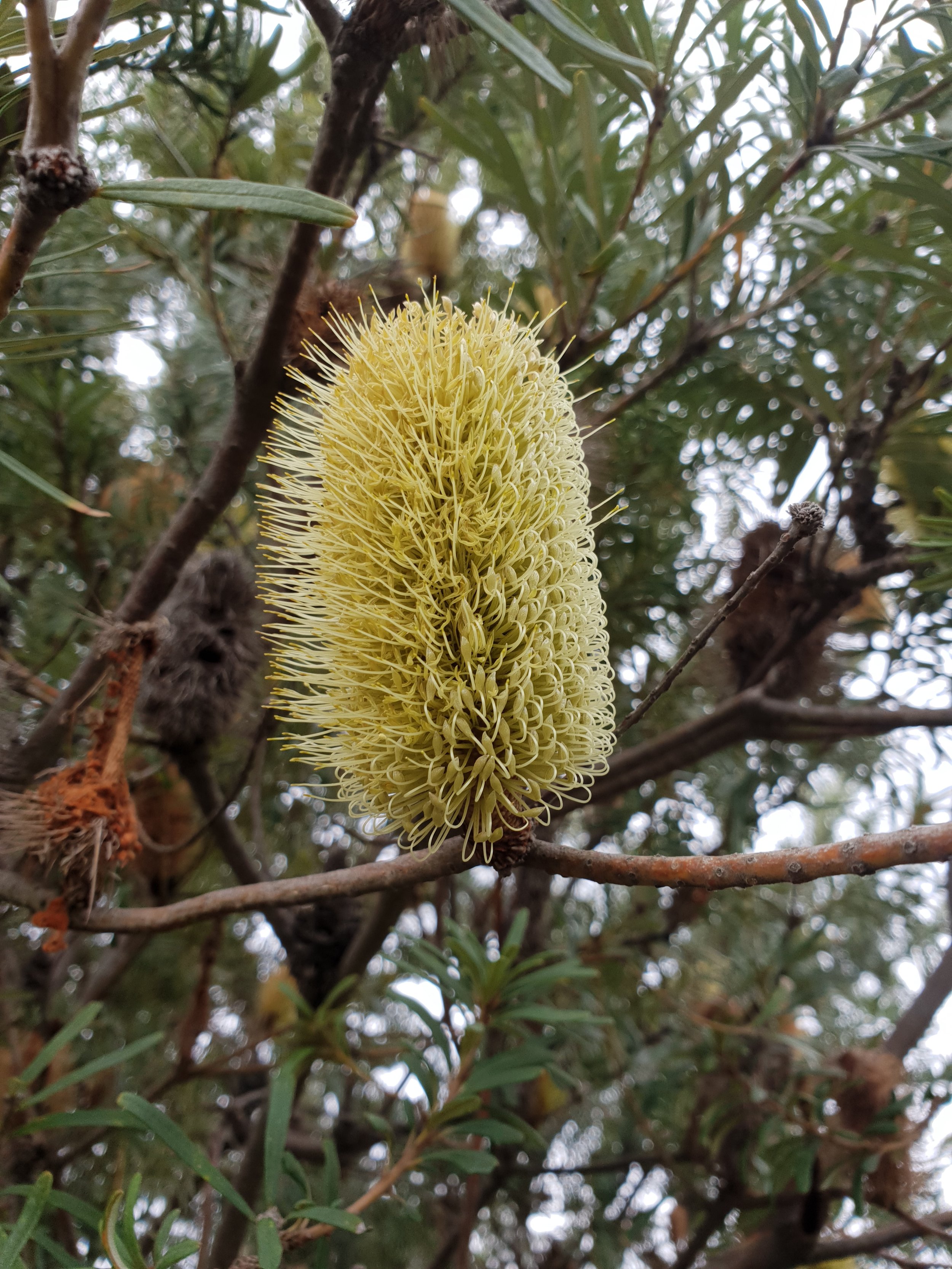
Banksia Marginata (Silver Banksia) flower, food source for Honeyeaters